

AI risk detection on patrol
A checklist can only ask what you thought to ask. During an automated patrol round, Camzify assesses each camera for safety and security risks in its own right and raises a critical alert for what it finds — whether or not any checklist item covered it.
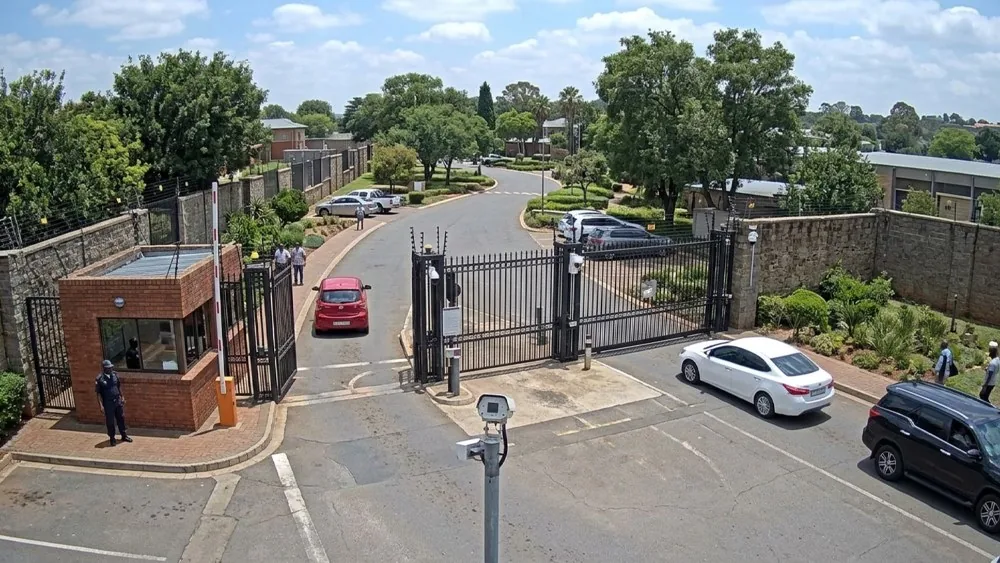 CAM 01 · Main gate
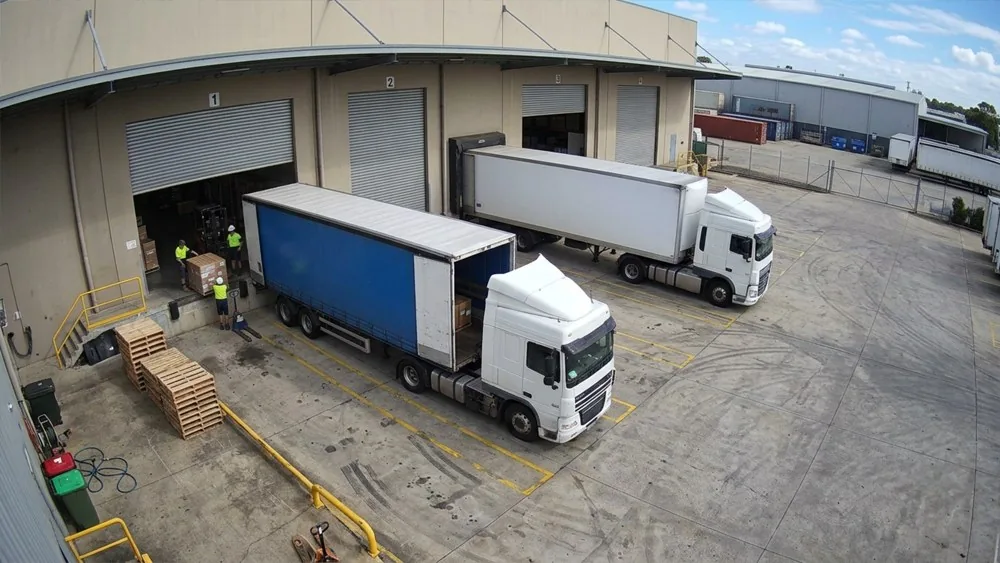 CAM 04 · Loading dock
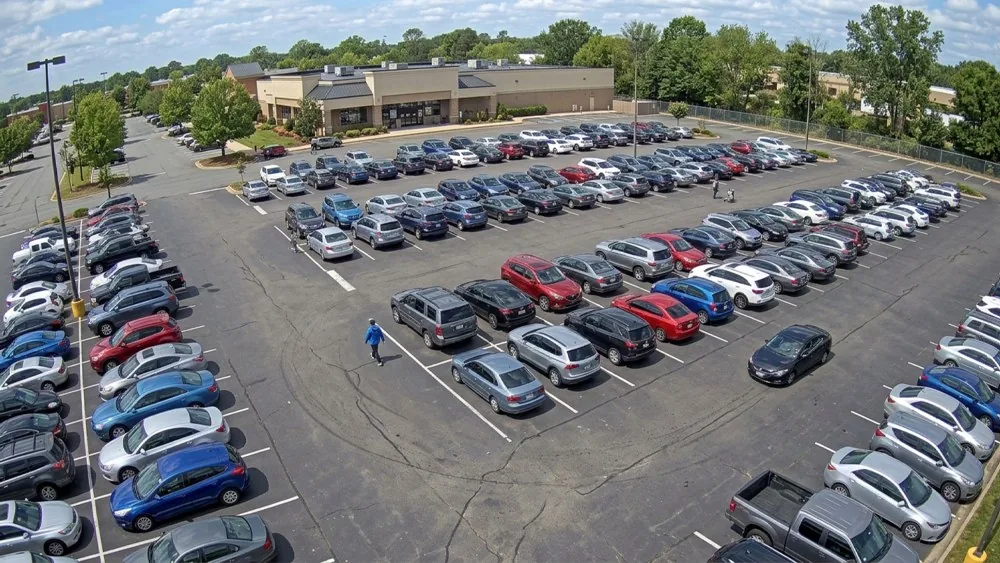 CAM 02 · Parking lot
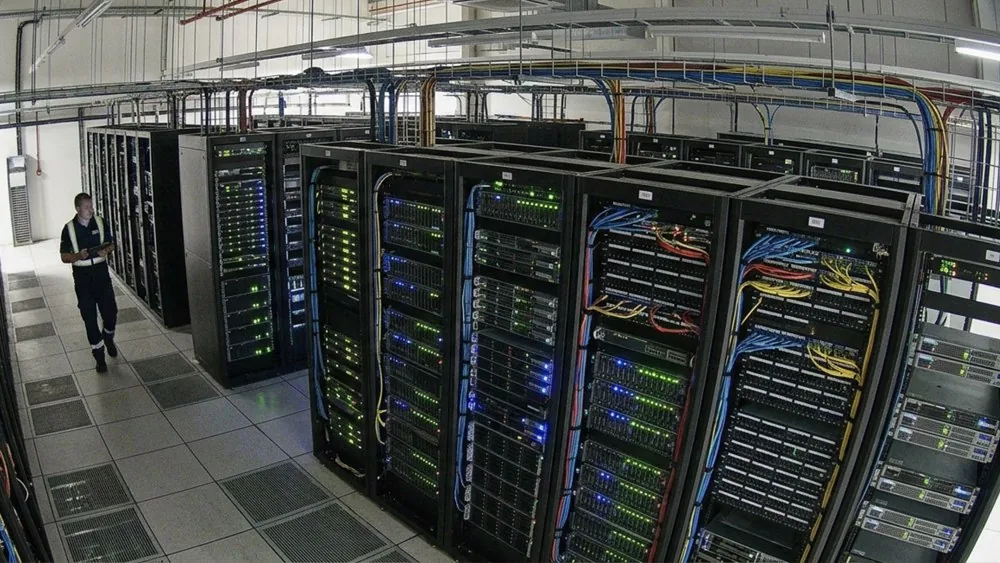 CAM 07 · Server room
The gap a checklist leaves
Checklists are written from experience: the gate that gets left open, the dock door that gets propped, the corridor that collects boxes. They are good at the things that have gone wrong before, which is exactly why they are worth having.
What they cannot do is anticipate. The condition that causes the next incident is usually not the one somebody thought to write down — and a round that only answers the questions on the list will walk past everything else without recording that it saw anything at all.
That gap is what risk detection covers. The same stop that answers “is the dock door secured” is also assessed for what is actually in frame, so the pallets stacked against the fire exit behind it are flagged too.
It is assessed at every stop, not only when something is wrong
Every camera on an automated round gets two entries in the report: possible safety risks and possible security risks. They are filled in whether or not anything is wrong. A gym might read “possible tripping hazards due to equipment left out on the floor”; a pathway, “wet surfaces might cause slipping”; most stops, “none apparent”.
Recording the negatives is what makes the positives worth reading. A system that only speaks up when it has something to say gives you no way to tell the difference between a quiet night and a system that stopped looking — and it leaves no record that a hazard was absent at the time somebody later says it was there.
Each stop also records what the camera actually saw: a plain-language description of the scene, the number of people present, and the objects detected in view. That is the context an assessment is made against, kept alongside it.
Why the timing is the whole point
Most site risks are not instantaneous. A fire door wedged open at the start of a shift is wedged open for hours. Pallets in front of an exit stay there until someone moves them. A bag left in a lobby sits there until it is noticed. Each is a risk for a stretch of time before it is anything worse, and during that stretch it is a five-minute fix.
A scheduled round that looks at every camera every couple of hours lands inside that window. That is the entire claim — not that the system foresees events, but that it reaches a hazardous condition while it is still just a condition, and tells a named person who can deal with it.
- 01Fire door is wedged open
- 02Scheduled round reaches the stop
- 03Critical alert to the guard
- 04Fixed while it is still a condition
What this is not: it is not prediction, and we do not claim it is. The system reports conditions visible on camera now. Anyone selling you software that forecasts incidents is describing something that does not exist, and our position on claims like that is on the record.
How it fits with everything else
The checklist proves the control
Each item is answered and recorded against a snapshot, which is what an auditor or insurer asks for. It covers what you decided to verify.
Patrol checklists →Risk detection covers the rest
The same stop is assessed for hazards and security risks in frame, raising a critical alert for anything found that the list did not ask about.
AI detection models →Scene observation adds context
A stop can be judged on a few seconds of live video rather than a single frame, which is what separates somebody passing through from somebody staying.
Automated scheduling →The alert reaches a person
Critical notifications go to the guard configured for that camera on email, SMS, WhatsApp or push, and expect an acknowledgment.
Guard notifications →Where it matters most
Sites where a hazardous condition can persist unseen for hours get the most from it: a warehouse after the shift ends, a construction site overnight, a remote or unmanned site where nobody walks past at all. Anywhere the answer to “how long before someone would notice” is measured in hours, a scheduled round that looks properly is worth more than another camera.
Frequently asked questions
Ready to patrol your site 24/7?
Book a 15-minute demo and see a live patrol run on your own cameras.